

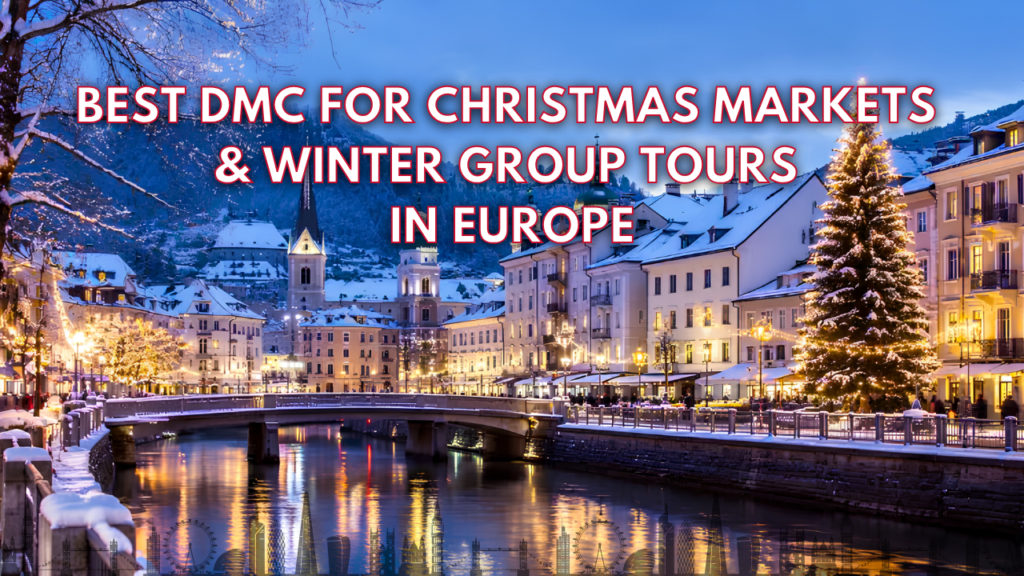
Why Europe Is a Top Winter Group Tour Destination
Europe becomes a different kind of destination during winter. Historic city squares glow with festive lights, traditional Christmas markets fill the streets with seasonal decorations, and charming towns create memorable experiences for visitors. From Germany’s traditional wooden market stalls to Austria’s elegant Christmas villages and France’s beautifully decorated Alsatian towns, the European winter season offers plenty of opportunities for distinctive group holidays.
For travel agents and tour operators, Christmas market tours in Europe are more than seasonal sightseeing packages. They combine cultural experiences, local food, shopping, architecture, winter scenery and festive entertainment into one attractive holiday concept.
Demand for European winter travel also creates opportunities to develop different products for families, leisure groups, corporate travellers and special-interest communities. However, organising a successful winter tour requires more than selecting popular destinations. Accommodation, transport, market opening dates, weather conditions and group coordination all need careful attention.
This is where choosing the best DMC for Christmas markets in Europe becomes an important consideration. A knowledgeable destination management company can help travel agents coordinate local arrangements, develop practical itineraries and deliver a smoother experience for their customers.
Why Christmas Market Tours Are Attractive for Travel Agents
Christmas markets offer a seasonal experience that is different from conventional European sightseeing holidays. Rather than focusing exclusively on famous landmarks, travellers get opportunities to experience local traditions and festive culture.
Here are some reasons why these tours are attractive for travel trade partners.
1. Distinctive Cultural Experiences
Christmas markets showcase regional traditions through handmade decorations, traditional crafts, seasonal performances and local specialities. Visitors can explore historic squares, discover regional products and experience how different European cities celebrate the festive season.
2. Food and Shopping Experiences
Traditional gingerbread, roasted nuts, pastries, hot chocolate and other seasonal treats add another dimension to the experience. Markets also offer handmade ornaments, souvenirs, ceramics and locally produced gifts.
These experiences give travel agents more engaging selling points than a standard city sightseeing package.
3. Attractive Multi-City Itineraries
Several European Christmas market destinations can be combined into one holiday, depending on available travel days and transport connections.
For example, a Germany and Austria itinerary could include Munich, Nuremberg, Salzburg and Vienna. Alternatively, a France-focused itinerary could combine Strasbourg and Colmar.
4. Opportunities for Different Customer Segments
Christmas market holidays can appeal to:
- Families looking for festive activities and winter experiences.
- Couples interested in romantic European city breaks.
- Leisure groups seeking cultural and seasonal holidays.
- Corporate groups looking for distinctive year-end travel experiences.
- Special-interest groups interested in photography, architecture, food and local traditions.
Travel agents can therefore develop different European Christmas holiday packages around a common seasonal theme.
Top European Christmas Market Destinations for Group Tours
Europe has several established Christmas market destinations. The right selection depends on the group’s interests, available travel days, budget, accessibility and preferred travel pace.
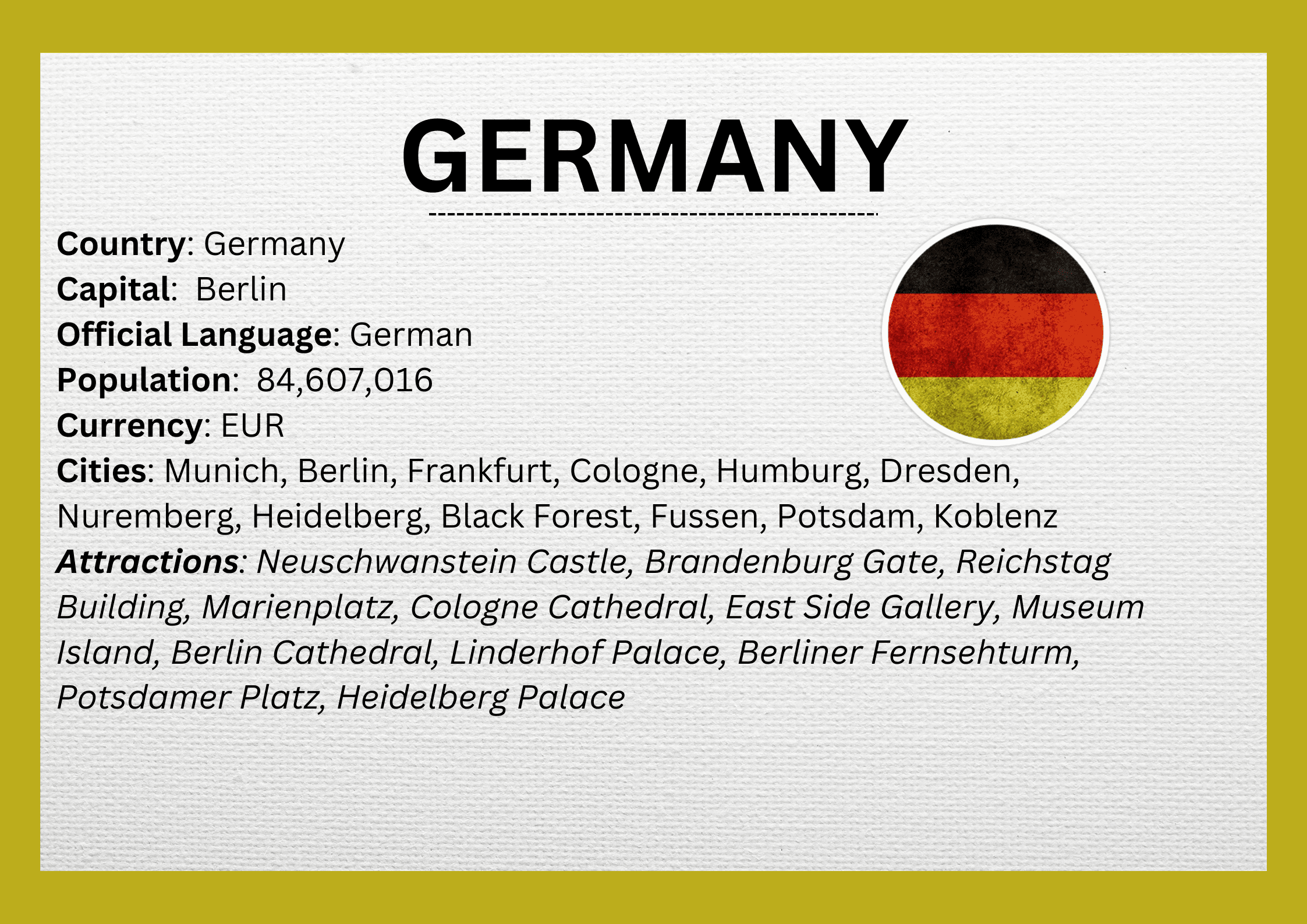
Germany: Traditional Christmas Market Experiences
Germany is one of the strongest choices for Christmas market tours Europe.
Nuremberg: The famous Christkindlesmarkt is known for traditional wooden stalls, handmade Christmas decorations, gingerbread and its historic festive atmosphere. It is an excellent choice for groups interested in traditional German Christmas culture.
Munich: Munich offers a combination of traditional markets, historic architecture, shopping streets and Bavarian food. Its central location also makes it a practical starting point for exploring other Bavarian destinations.
Cologne: The Christmas market near Cologne Cathedral creates a striking setting, with the cathedral providing an impressive backdrop. The city can also be combined with other destinations in western Germany.
Dresden: Dresden’s Striezelmarkt is particularly attractive for visitors interested in traditional crafts, festive food and regional heritage. The city’s historic architecture adds to the experience.
Germany works particularly well for travel agents developing multi-city Christmas group tours.
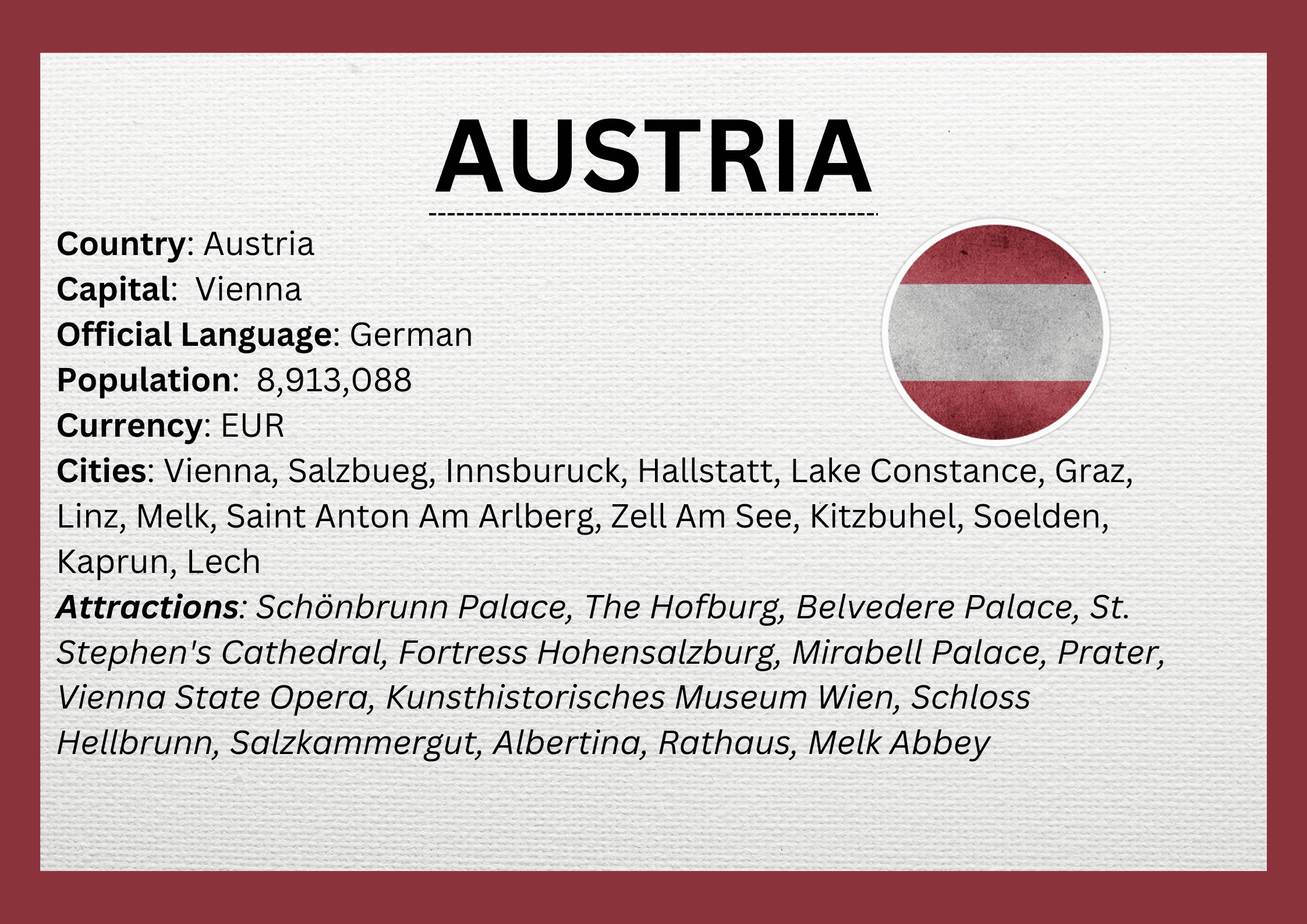
Austria: Festive Markets and Elegant City Experiences
Austria combines Christmas traditions with historic architecture and beautiful winter scenery.
Vienna: Vienna is an excellent destination for groups looking for multiple Christmas markets, elegant streets, historic buildings and cultural attractions. Rathausplatz, Schönbrunn Palace and Belvedere are among its well-known seasonal market locations.
Salzburg: Salzburg offers a charming setting with its historic old town, cathedral surroundings and Alpine backdrop. Its Christmas market is especially appealing for travellers looking for a traditional festive atmosphere.
Austria can be combined with southern Germany for a well-balanced winter itinerary.
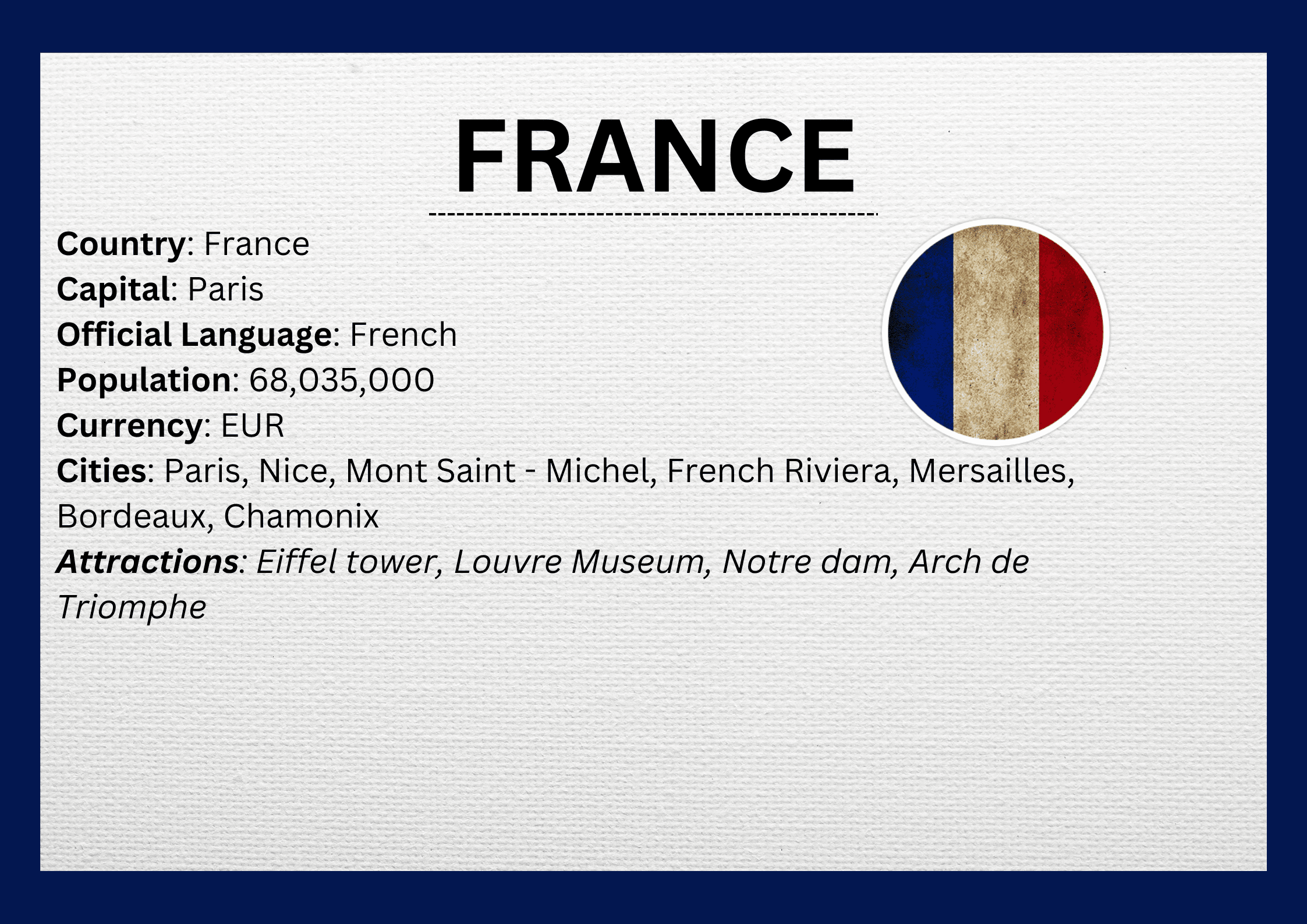
France: Strasbourg and Colmar
The Alsace region of France is particularly popular during the Christmas season.
Strasbourg: Often associated with its historic Christmas market traditions, Strasbourg offers decorated streets, historic buildings and a distinctive festive atmosphere. Its central areas provide plenty of opportunities for walking tours and seasonal exploration.
Colmar: Colmar is known for its colourful half-timbered buildings, canals and beautifully decorated old town. Its collection of Christmas markets makes it attractive for smaller leisure groups and photography enthusiasts.
A Strasbourg and Colmar combination is a strong option for agents planning a France-focused festive holiday.
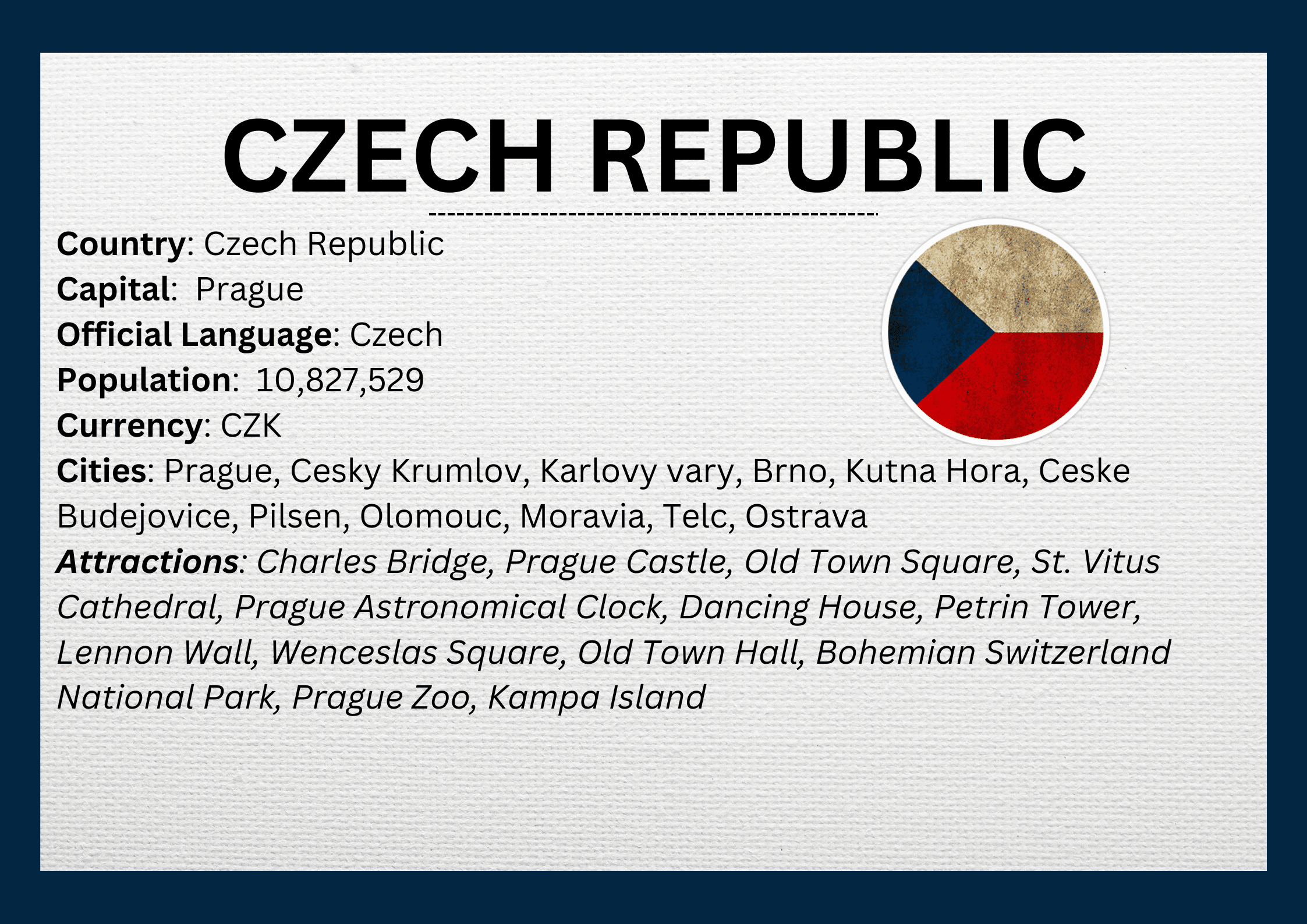
Czech Republic: Prague
Prague offers an attractive combination of Gothic architecture, historic squares, traditional food and seasonal markets.
The Old Town Square and Wenceslas Square are important highlights during the Christmas season. Groups can combine market visits with guided city sightseeing, Charles Bridge, Prague Castle and other cultural attractions.
Prague is particularly suitable for short European winter holidays and multi-country Central European itineraries.
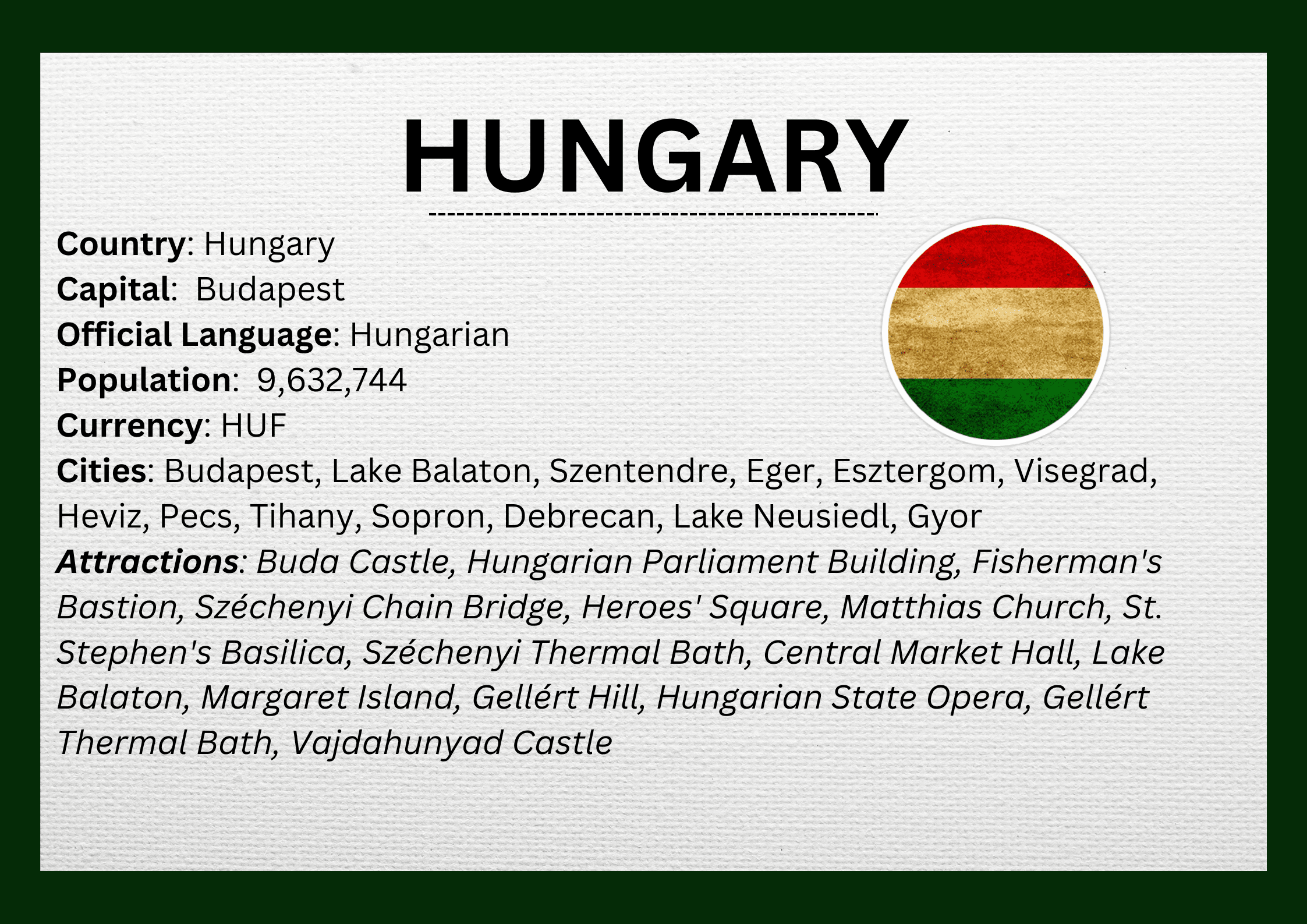
Hungary: Budapest
Budapest provides a different atmosphere for winter travellers, combining historic architecture, riverside views, thermal bath experiences and seasonal markets.
The markets around St Stephen’s Basilica and Vörösmarty Square are popular festive attractions. Groups can also explore the Danube waterfront, Buda Castle and the city’s illuminated landmarks.
Budapest is a useful addition to itineraries combining Prague, Vienna and other Central European destinations.
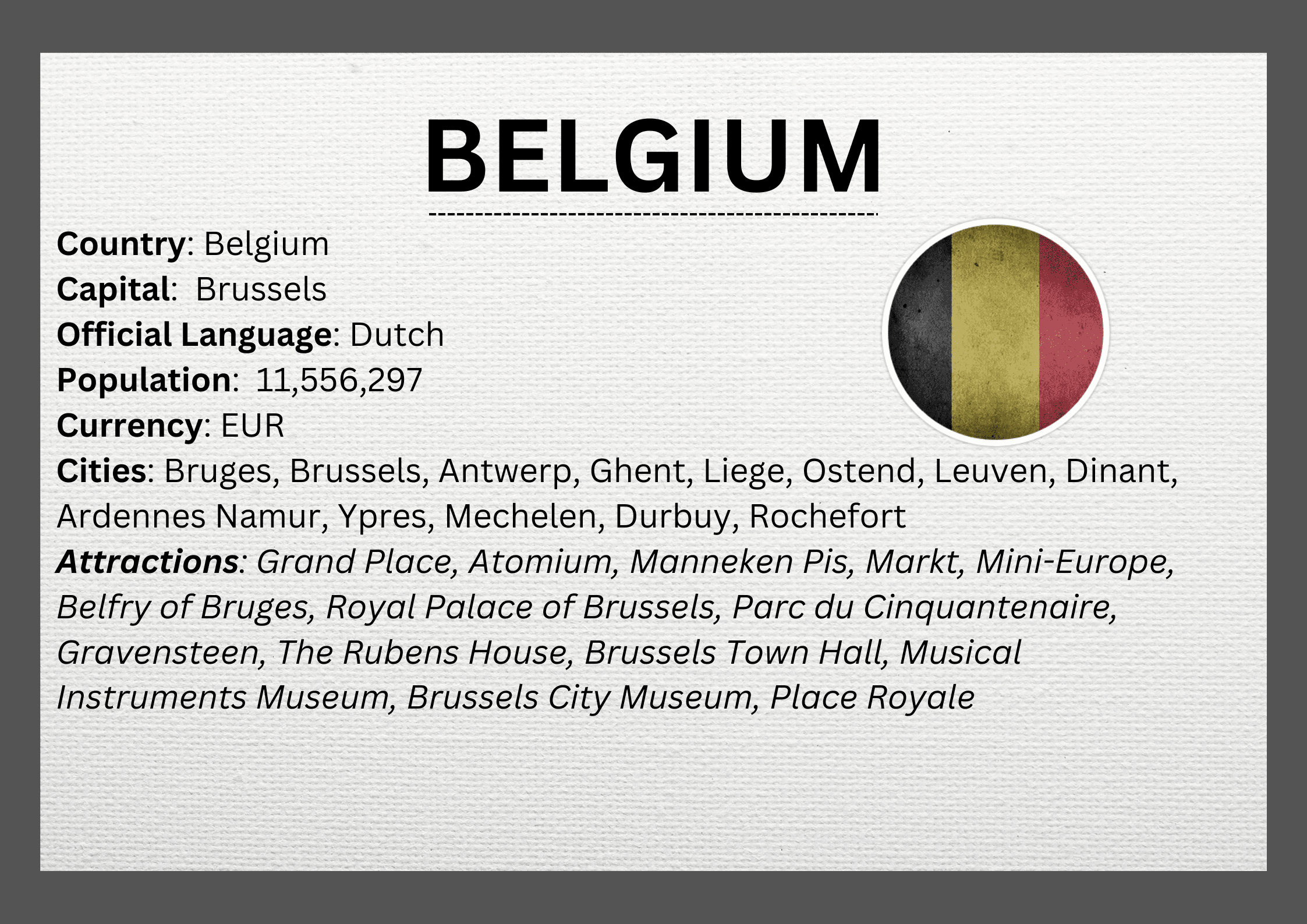
Belgium: Brussels
Brussels offers a festive city experience through its Winter Wonders programme, which combines seasonal attractions, illuminated streets, shopping and food experiences.
Its central location also makes it possible to consider combinations with Bruges, Ghent or other Belgian destinations, subject to the group’s available time.
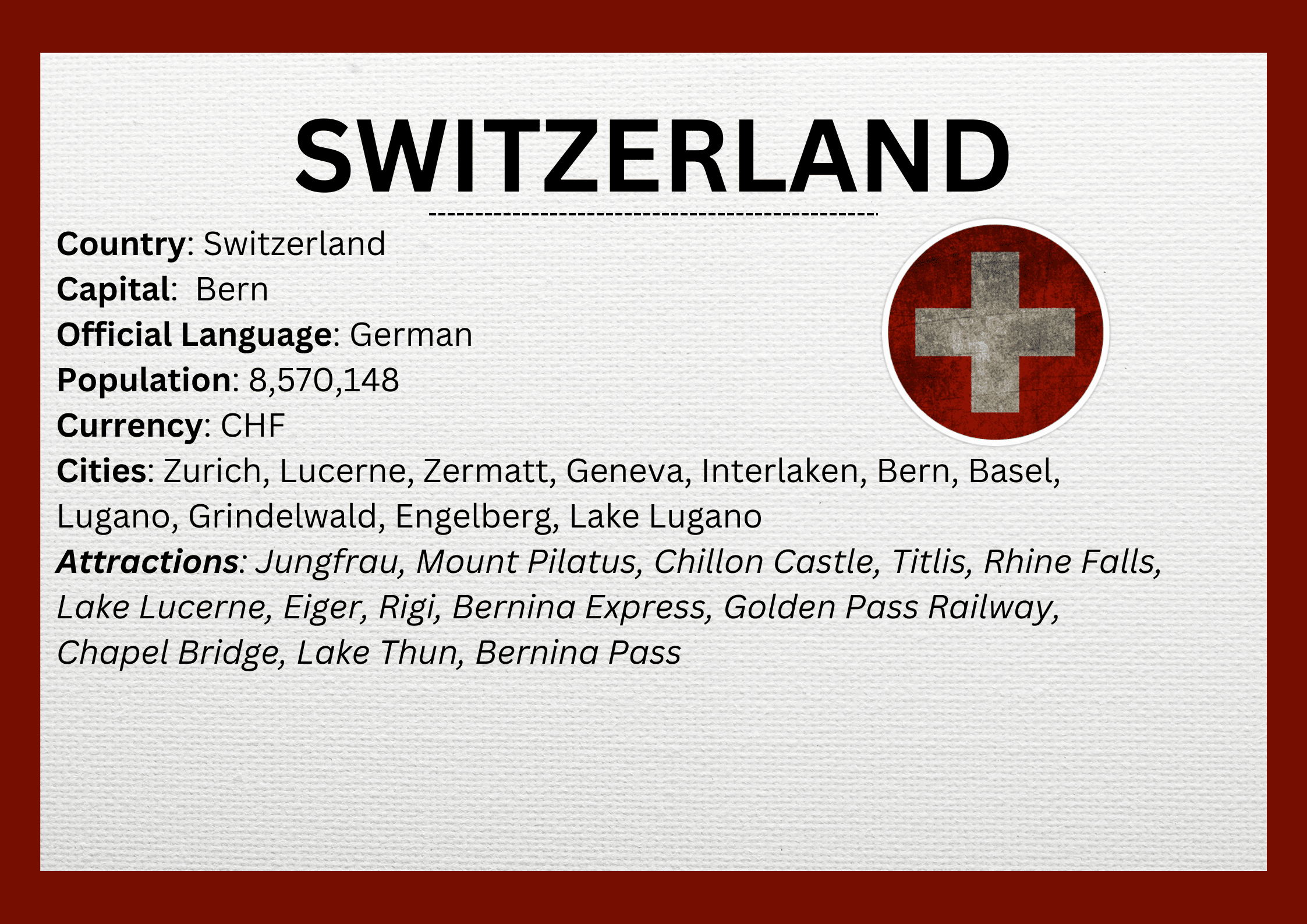
Switzerland: Basel and Zurich
Switzerland offers a different winter experience, combining Christmas markets with scenic surroundings and an established reputation for picturesque city breaks.
Basel: Basel’s Christmas markets, particularly around Barfüsserplatz and Münsterplatz, provide a traditional festive atmosphere in a historic city setting.
Zurich: Zurich combines Christmas markets, decorated shopping streets, lakeside scenery and seasonal attractions. It can also be included in wider Switzerland itineraries featuring scenic rail journeys or mountain excursions.
For agents targeting premium leisure groups, Switzerland can add a strong winter scenery element to a Christmas market package.
Important planning note: Christmas markets do not all operate on identical dates. Some close before Christmas Eve, while others continue into late December or early January. Always confirm the dates and opening hours of each individual market before finalising the itinerary.
How to Build a Successful European Christmas Market Itinerary
A successful winter group tour should offer enough time to enjoy each destination without making the journey unnecessarily tiring.
Travel agents should consider the following principles.
Choose Destinations That Work Together
Avoid combining too many cities simply to increase the number of destinations advertised in a package.
For example, a seven-day Germany and Austria itinerary might include:
- Munich for Bavarian culture and Christmas markets.
- Nuremberg for its traditional Christkindlesmarkt.
- Salzburg for its historic old town and Alpine atmosphere.
- Vienna for its grand architecture and multiple festive markets.
This is an illustrative route. Actual travel times, hotel locations and market dates should determine the final sequence.
Allow Enough Time in Each City
A destination should not become a rushed stop between two coach journeys. Allow sufficient time for sightseeing, meals, market exploration and free time.
For larger cities, consider at least one full sightseeing day where the overall schedule permits.
Balance Markets with Other Experiences
A winter itinerary should not consist entirely of Christmas markets.
Include attractions such as historic city tours, museums, scenic viewpoints, cultural performances, local food experiences and optional excursions.
This makes the package more appealing to different age groups and travellers with varying interests.
Plan Around Travel Fatigue
Long intercity transfers, early departures and consecutive sightseeing days can affect the group experience.
Allow realistic breaks, suitable meal stops and comfortable arrival times, particularly for groups travelling with children or older passengers.
Why Choosing the Right DMC Matters
A destination management company (DMC) is a local or destination-focused travel partner that helps travel agents and tour operators organise ground arrangements at the destination.
For European winter group tours, a DMC can help bring together several arrangements that would otherwise require separate coordination.
Destination Knowledge and Itinerary Planning
An experienced DMC can help identify suitable destinations, understand local travel requirements and create itineraries that work in practice.
This is particularly important during Christmas, when market schedules, seasonal events and visitor demand can affect the availability of services.
Accommodation Coordination
Hotel location is important for winter groups. A property that looks suitable on a map may require lengthy transfers to reach the main attractions.
A DMC can assist with accommodation arrangements based on the group’s location preferences, room requirements and budget.
Transportation and Local Arrangements
Ground transportation is one of the most important elements of a successful group holiday.
A DMC can coordinate suitable vehicles, transfers, sightseeing arrangements and other local logistics, helping agents manage the operational side of the trip.
Supplier and Group Coordination
Managing a group involves more than arranging transport and accommodation. It also requires communication, timing, coordination and attention to individual requirements.
Working with a destination-focused partner can help travel agents manage these arrangements through a more organised process.
For travel agents comparing options for the best DMC for Christmas markets in Europe, the priority should be a partner that understands group requirements, communicates clearly and can coordinate the arrangements included in the proposed itinerary.
Transportation and Winter Group Logistics
Winter transportation requires additional planning because weather, traffic and seasonal demand can affect journey schedules.
Coach and Private Vehicle Arrangements
Choose vehicles according to the confirmed group size, luggage requirements and itinerary.
A group travelling with winter clothing and multiple suitcases may require more luggage capacity than expected. Vehicle selection should therefore consider both passenger seating and luggage space.
Intercity Travel and Journey Times
When planning coach journeys, consider:
- Actual driving distance and realistic journey duration.
- Scheduled driver breaks and applicable driving regulations.
- Border crossings where relevant.
- Traffic conditions around major cities.
- Hotel access and coach parking restrictions.
- Passenger comfort during longer transfers.
Do not plan a tightly scheduled sightseeing activity immediately after a long intercity transfer.
Market Access and Parking
Many Christmas markets operate in pedestrianised historic centres. Coaches may not be permitted to stop directly outside the market.
Travel agents should confirm suitable drop-off and pick-up locations, walking distances and parking arrangements in advance.
Weather and Contingency Planning
Snow, rain, fog and icy conditions can affect road travel. Build reasonable flexibility into the schedule and establish alternative arrangements for activities that may be affected by weather.
Accommodation and Group Booking Considerations
Christmas is a popular travel period in many European cities. Hotels in central locations can experience strong demand, particularly on weekends and around important festive dates.
For group organisers, accommodation planning should begin early.
Consider the following:
Hotel location: Prioritise convenient access to sightseeing areas, transport links and restaurants.
Room allocation: Confirm twin, double, triple and single-room requirements before requesting a group quotation.
Group capacity: Check whether the hotel can accommodate the entire group together or whether separate properties will be necessary.
Meal arrangements: Confirm breakfast timings, group dining options and special dietary requirements.
Check-in and check-out: Coordinate arrival schedules, luggage handling and early-arrival requirements.
Booking conditions: Review deposits, payment deadlines, cancellation terms and rooming-list deadlines carefully.
For agents selling European winter travel packages, transparent hotel inclusions and realistic accommodation expectations help prevent misunderstandings after booking.
Seasonal Planning: Weather, Daylight and Crowd Management
Winter travel in Europe requires a different approach to sightseeing than summer travel.
Shorter Daylight Hours
Many European destinations experience shorter daylight hours during December. Outdoor sightseeing should be prioritised during available daylight, while evening activities can include illuminated landmarks, Christmas markets and indoor experiences.
Cold Weather and Possible Snow
Temperatures vary significantly between destinations. Alpine regions and Central European cities may experience freezing temperatures, snow or icy conditions, while other destinations may have milder but wet winter weather.
Advise travellers to bring appropriate winter clothing, comfortable footwear and suitable accessories.
Peak Visitor Periods
Weekends, school holidays and the weeks immediately before Christmas can be particularly busy.
Large markets may experience crowded pedestrian areas, longer waiting times and increased demand for restaurants and hotels.
Where possible, schedule popular market visits outside the busiest periods and allow additional time for group movement.
Confirm Market Opening Schedules
A city may have several Christmas markets, each with different opening and closing dates.
For example, a group arriving after Christmas may find that some traditional German markets have already closed, while selected markets in other European cities continue into January.
Always verify the relevant market’s official calendar for the actual travel dates.
How Travel Agents Can Sell Winter Group Tours Effectively
A well-designed package needs equally effective communication. Travel agents should focus on the experiences that make the holiday distinctive rather than simply advertising a list of cities.
Sell Experiences, Not Just Destinations
Instead of promoting only a Germany, Austria and Switzerland package, highlight the experiences:
- Exploring traditional Christmas markets.
- Discovering historic European towns.
- Enjoying seasonal food and festive shopping.
- Experiencing illuminated city centres.
- Visiting picturesque winter destinations.
This helps customers understand what makes the holiday special.
Develop Multi-City Packages
Create different itinerary options according to the customer profile.
For example, a Central European festive tour could combine Prague, Vienna and Budapest, while a Germany-focused programme could include Munich, Nuremberg and Cologne.
Keep travel distances and available holiday days in mind.
Offer Suitable Travel Dates
Promote departures based on confirmed market opening schedules, hotel availability and transport arrangements.
Avoid promising customers a particular Christmas market experience without checking that it will operate during their visit.
Communicate Inclusions Clearly
Explain what is included in the package, such as accommodation, breakfast, transfers, sightseeing, guided tours and attraction tickets.
Clearly identify optional excursions, meals, personal expenses, visa requirements and other exclusions.
Set Realistic Winter Expectations
Inform customers about colder temperatures, shorter days, possible weather disruptions and walking requirements.
This builds confidence and helps avoid disappointment.
Encourage Early Planning
Early enquiries give travel agents more time to explore accommodation options, coordinate group transport and develop suitable itineraries.
Family groups, corporate travellers and special-interest communities can also be approached with tailored seasonal travel concepts.
How GB DMC Can Support Christmas and Winter Group Tours
Planning a successful European winter holiday requires destination knowledge, reliable coordination and attention to operational details.
GB DMC is a UK-based, B2B focused Destination Management Company working with travel agents and tour operators for UK and European travel arrangements.
Its published services cover several areas relevant to Christmas market holidays and winter group tours:
- Accommodation: Hotel arrangements suited to different travel requirements and budgets.
- Tours and excursions: Customised sightseeing and destination experiences.
- Transport and logistics: Transfers and transportation arrangements.
- Leisure group arrangements: Coordination of group travel requirements.
- MICE services: Support for meetings, incentive travel and corporate group programmes.
For travel agents planning seasonal departures, these services can help bring accommodation, transportation, sightseeing and other ground arrangements together within one coordinated travel programme.
GB DMC also works with agents on customised UK and European itineraries, allowing travel trade partners to develop programmes around their clients’ interests, group requirements and available travel dates.
Whether you are planning a traditional German Christmas market holiday, a Central European winter itinerary or a wider UK and Europe group programme, working with a destination management company can make the planning and coordination process more manageable.
Travel agents and tour operators can explore GB DMC’s services at www.gbdmc.com or contact its team at sales@gbdmc.com to discuss their UK and European travel requirements.
Conclusion: Plan Better European Winter Group Tours with the Right DMC
European Christmas markets offer travel agents an excellent opportunity to develop distinctive seasonal holiday packages. From Germany’s traditional festive markets and Austria’s elegant cities to the historic streets of France, Prague and Budapest, there are plenty of ways to create memorable winter group experiences.
However, successful Christmas market tours depend on much more than choosing attractive destinations. Market schedules, hotel availability, transportation, weather conditions, realistic sightseeing plans and group coordination all play an important role.
For travel agents and tour operators, working with the right Europe destination management company can make these arrangements easier to manage and help create a better experience for travellers.
If you are planning Christmas market holidays, winter group tours or customised European travel programmes, connect with GB DMC, your B2B travel partner for UK and Europe, to explore suitable ground arrangements and itinerary options.
Plan better. Sell with confidence. Travel with GB DMC.